B2B website development
B2B website development that doesn't need a developer after launch
We build SaaS marketing sites on Astro with our own CMS on top. Fast static pages, code in your git repo, and a marketing team that can ship pages on its own.

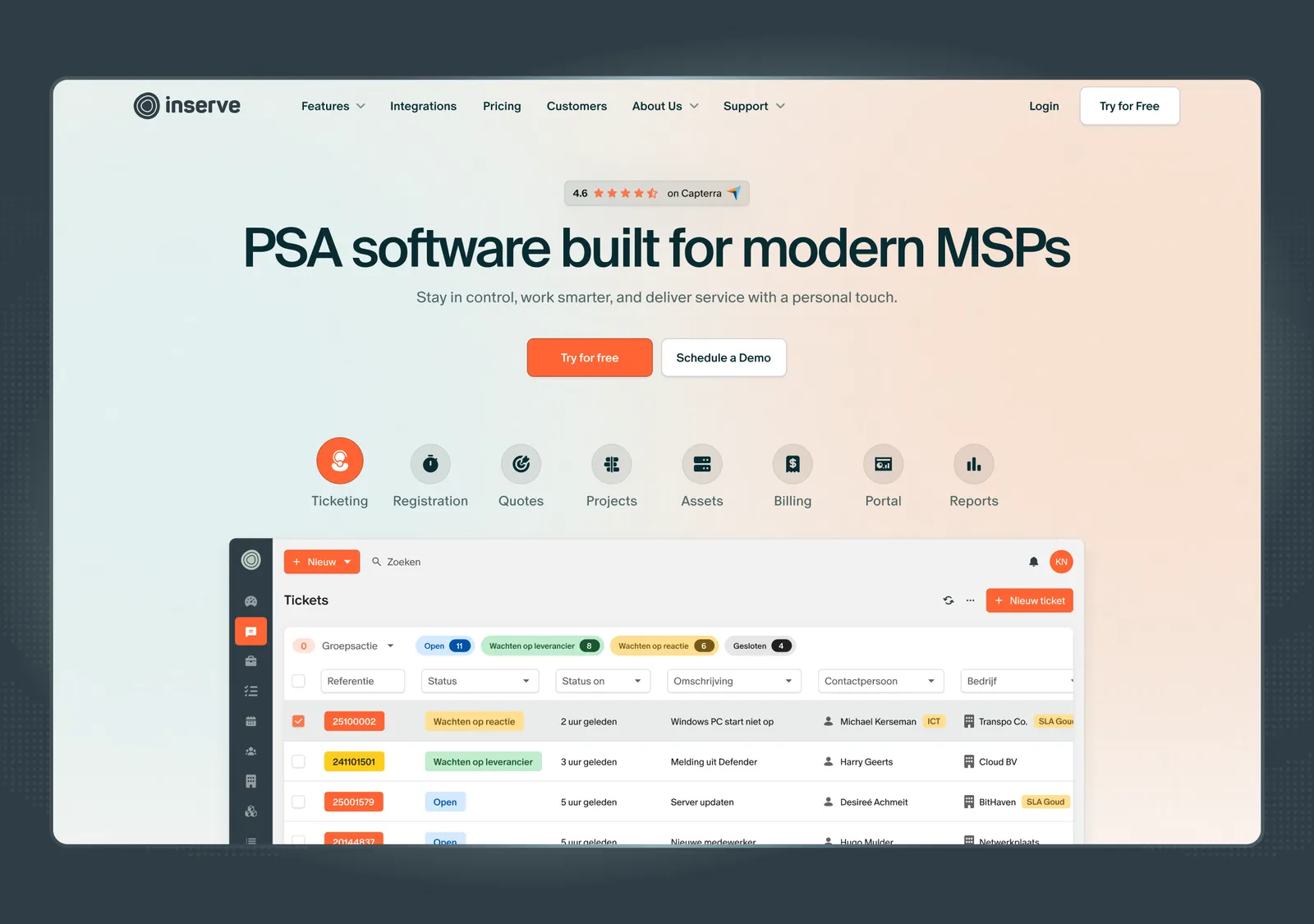
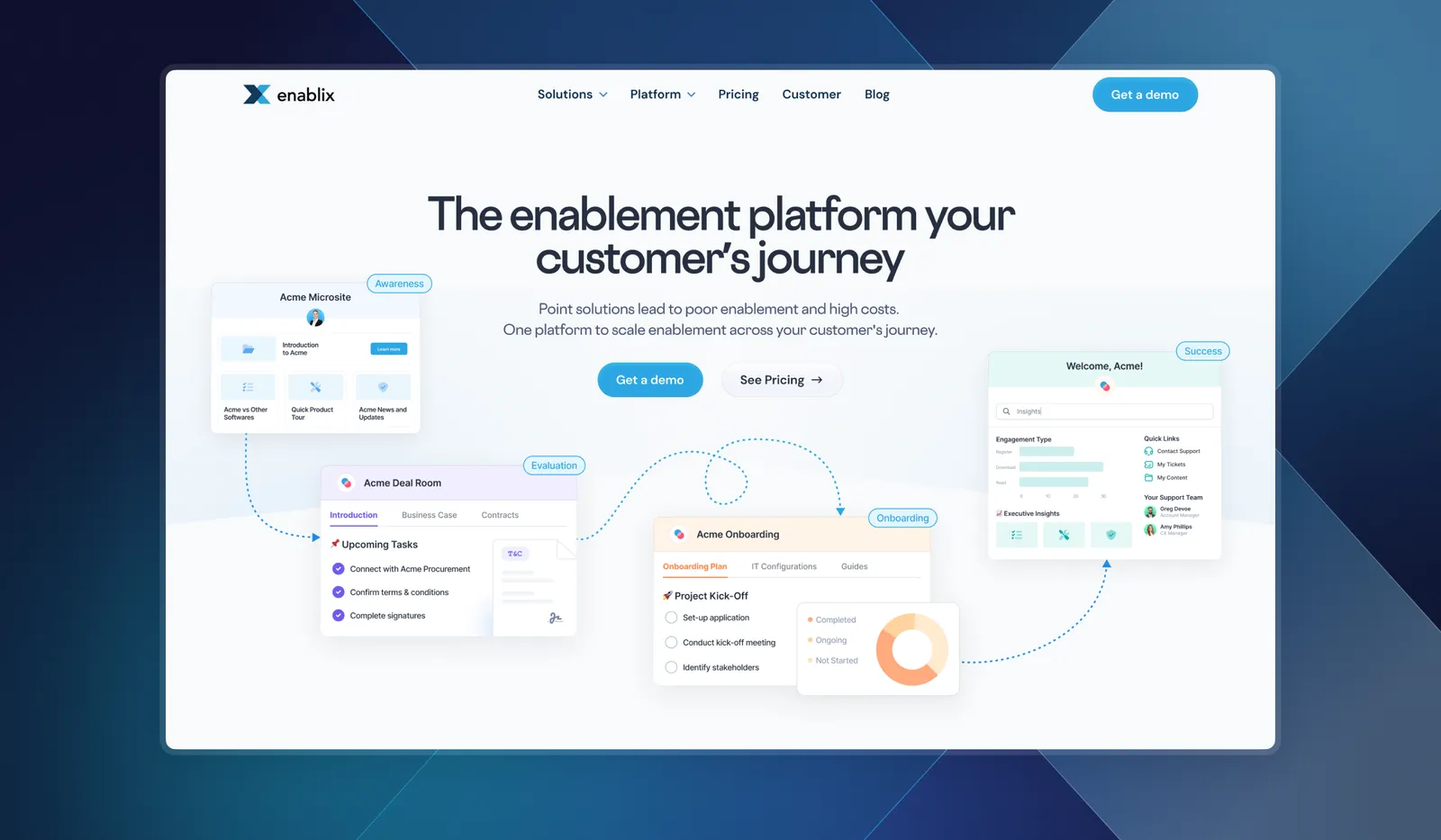
Trusted by SaaS teams at






Sound familiar?
Signs your website's build is slowing you down
A good design on a bad build still ends up in the engineering queue.
-
Every edit is a ticket
Copy changes and new landing pages wait for someone who can touch the code.
-
It's slow to load
Plugins, page builders and huge images make every page heavier than it needs to be.
-
Plugins break on every update
WordPress and PHP updates turn into small projects nobody wants to own.
-
New pages look off brand
Without reusable sections, each new page drifts a little further from the design.
-
You don't own the setup
The site is tied to one host, one theme or one freelancer who built it.
-
Search can't read it
Missing metadata, broken redirects and no structured data hold rankings back.
 GTM intelligence
Keyplay went from hard-coded pages to shipping their own
- What they needed
- A static, hard-coded site where every content update depended on engineering.
- What we did
- Rebuilt it on a modular block design system with a CMS, so the team builds new pages from ready-made sections.
- What changed
- Keyplay's marketing team launches pages and campaigns on demand, and we keep adding blocks as they grow.
“Siguro are a rare service provider that understands startup life and can deliver at your pace.”
 Adam SchoenfeldCEO, Keyplay
What you get
A B2B website built to be fast, editable and yours
Everything we build lives in your git repo, so nothing is locked to us.
-
Built on Astro
Plain HTML pages with no JavaScript unless a section needs it.
-
A CMS your team runs
Click a section, edit it, preview it and publish. Every change is a git commit.
-
Reusable page sections
A library of blocks your team combines into new pages without breaking the design.
-
Speed as standard
WebP images, lazy third-party scripts and fonts that never block the page.
-
Host it anywhere
Netlify, your own VPS or your own servers. The same build works on all of them.
-
SEO handled at launch
Redirects for every moved URL, a clean sitemap and structured data on every page.

“Siguro's speed and technical expertise blew us away. They built our website from scratch in no time, and they were super responsive throughout the process.”
 Melanie MillsFounder / CEO, Connexion
How it works
How a website build runs with us
We move the site over without losing the pages that already rank.
-
Audit the current site
We map every page, what ranks, what converts and what the team keeps asking engineering for.
-
Plan the structure
Page types, reusable sections and which URLs stay, move or redirect.
-
Build on Astro
Every page is built from sections, checked for speed as we go.
-
Connect the CMS and tools
Your team gets editing, previews and publishing, plus forms and your CRM wired in.
-
Launch and keep improving
Redirects, sitemap and analytics go live with the site, then we keep shipping.
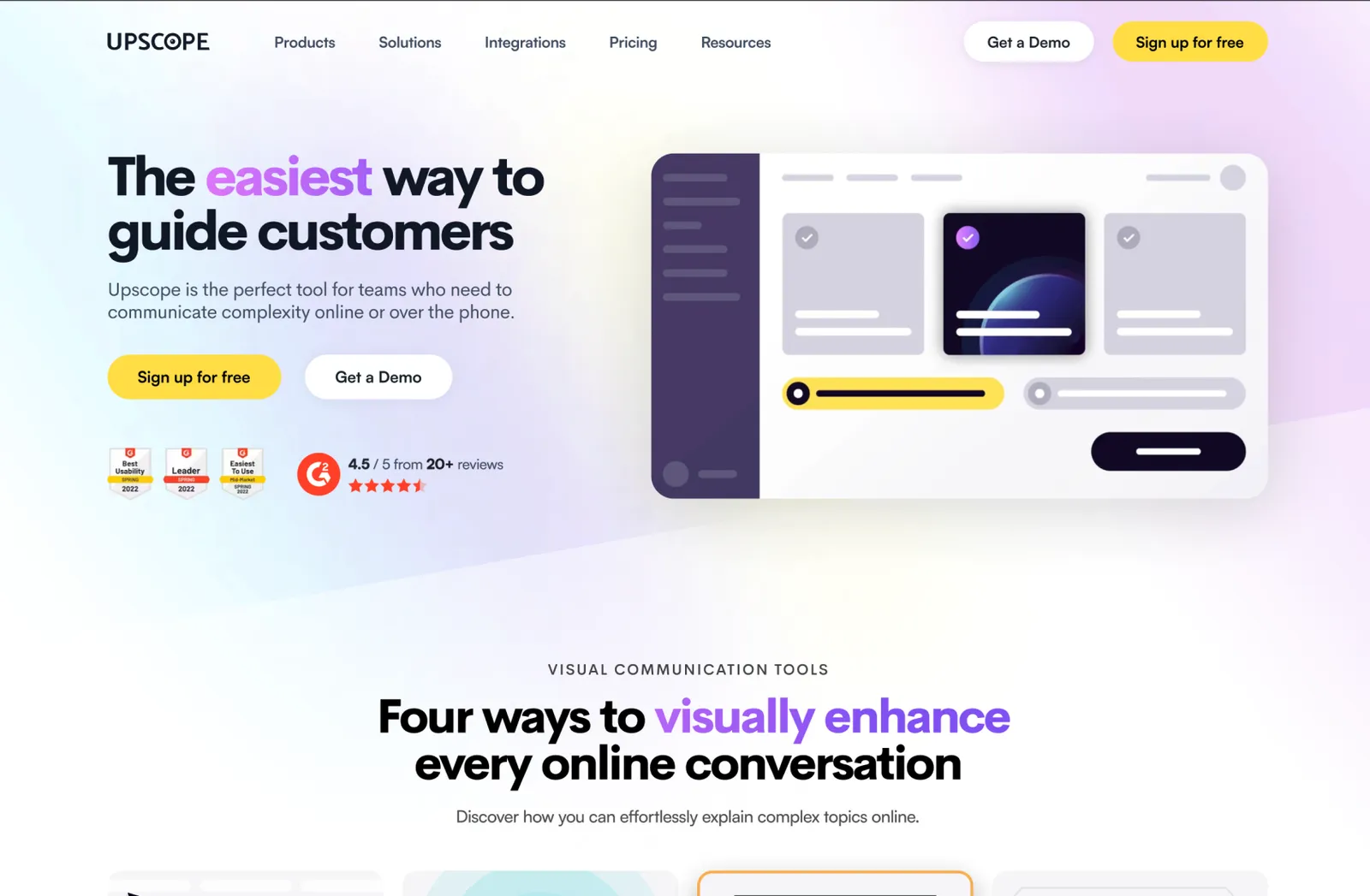
Upscope got off a bloated WordPress site and onto their own server
- What they needed
- An old WordPress site that was bloated, slow and hard to update for both marketing and dev.
- What we did
- Built a custom marketing site with a clean design system and a content structure made for their audience.
- What changed
- A lightweight site that's easy to manage, deployed to Upscope's own VPS so the team controls the whole setup.
29
SaaS websites designed and built
Counted from our case studies
74 → 98
Lighthouse mobile score on siguro.co after one speed pass
July 2026
216
Images converted to WebP in that pass, about 170MB lighter
Same speed pass
6 weeks
For Candor Health's redesign and launch, in time for a press release
Candor Health case study


Arvow's hardcoded Next.js site became something the team can grow
- What they needed
- A static Next.js build that was hardcoded, inflexible and tough to manage through a rebrand.
- What we did
- Restructured the site, designed a modular system for the new brand and moved every page onto a CMS.
- What changed
- The marketing team updates the site without code and supports their go-to-market without dev bottlenecks.
“Part of building a brand is taste in design, which influences the brand's perceived value a lot. Jamie's designs did that for us. We don't look like a cheap brand, we look trustworthy and worthy of a scroll.”
 Vasco MonteiroCo-Founder, Arvow
More builds
SaaS websites we've built
-
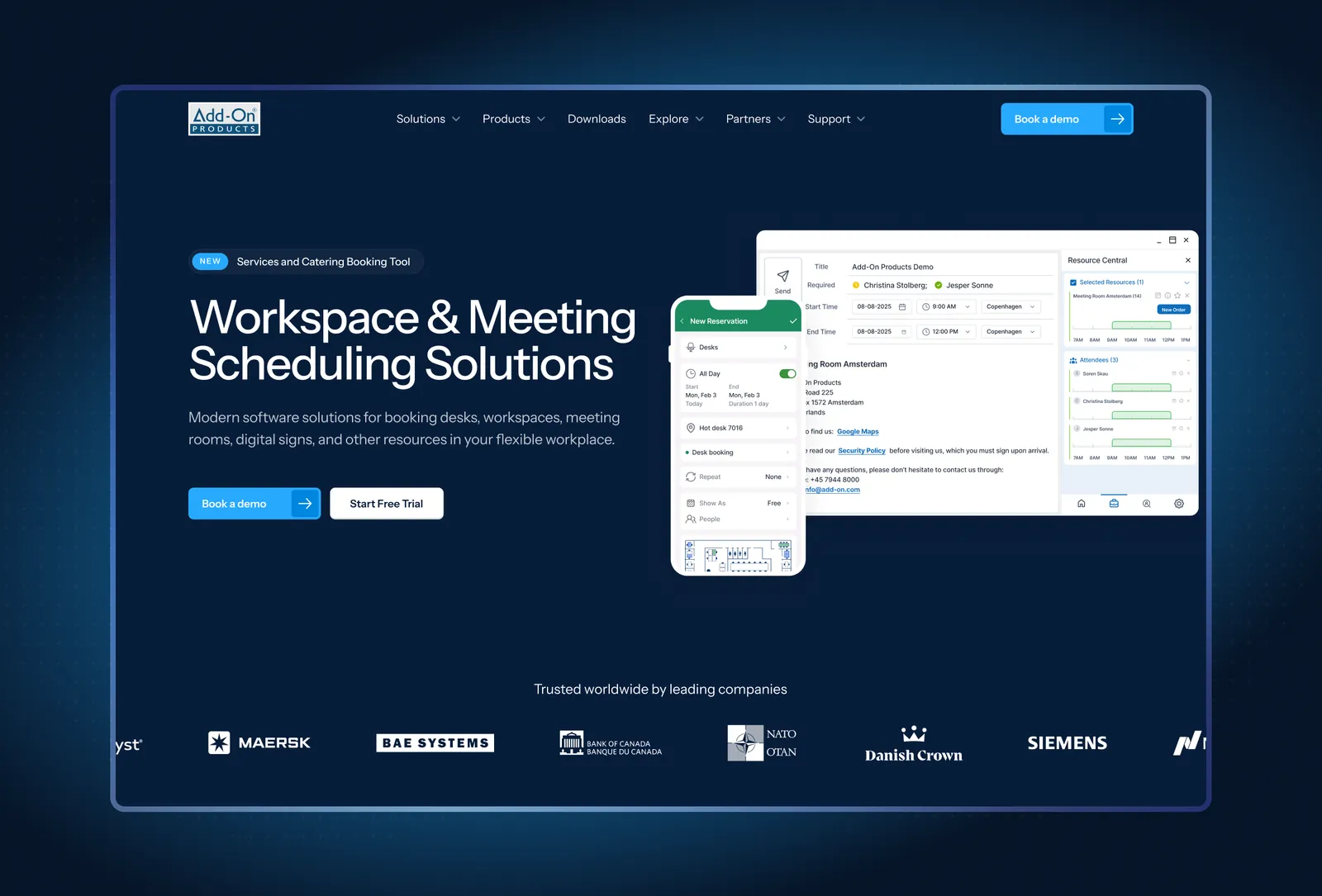
Add-On Products
Workspace scheduling, rebuilt in every language.
-
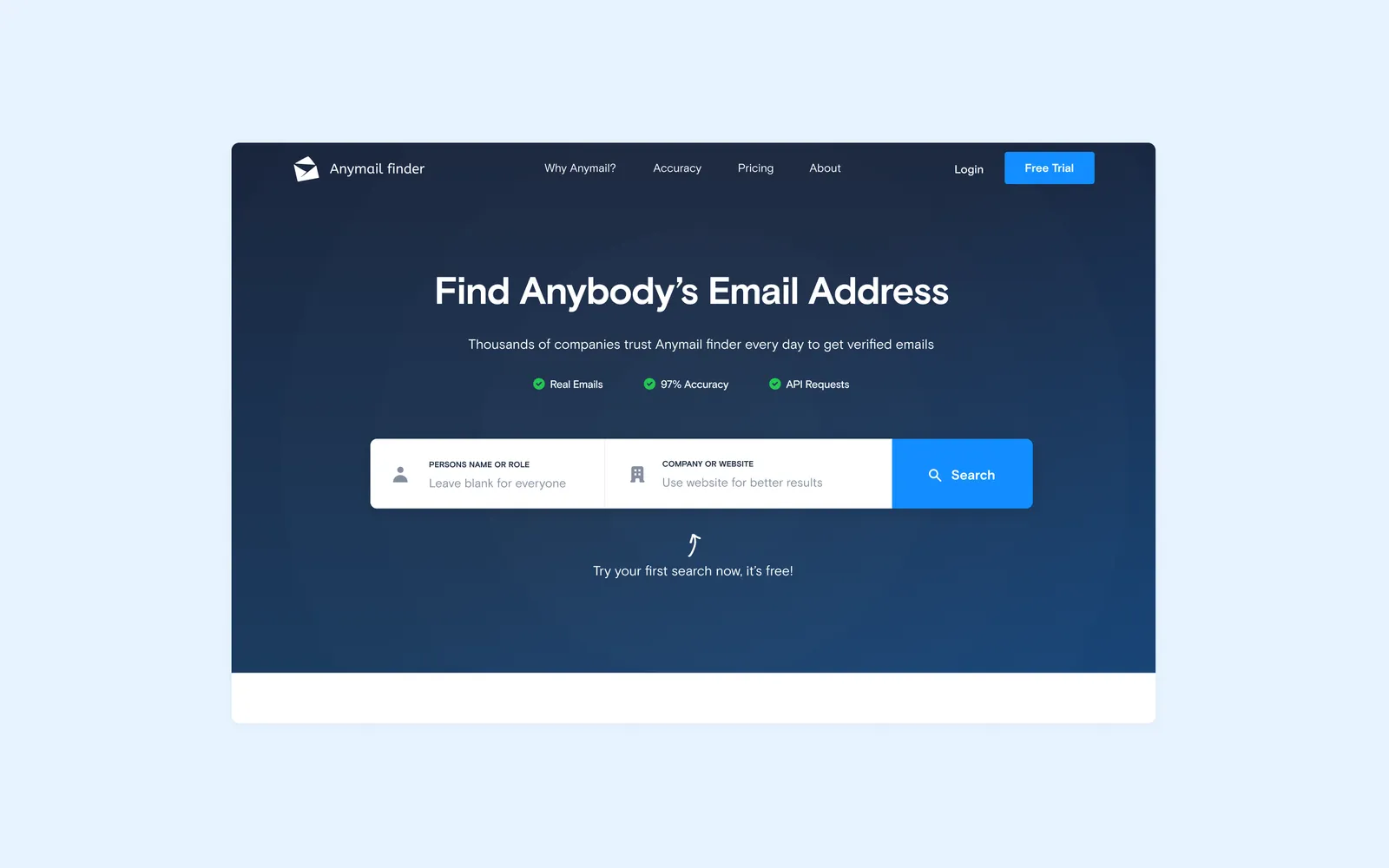
Anymail Finder
Verified emails at scale, on a faster site.
-

ArborXR
Landing pages and a design system for XR fleets.
-

Baku
A sharper story for a B2B SaaS growth partner.
-
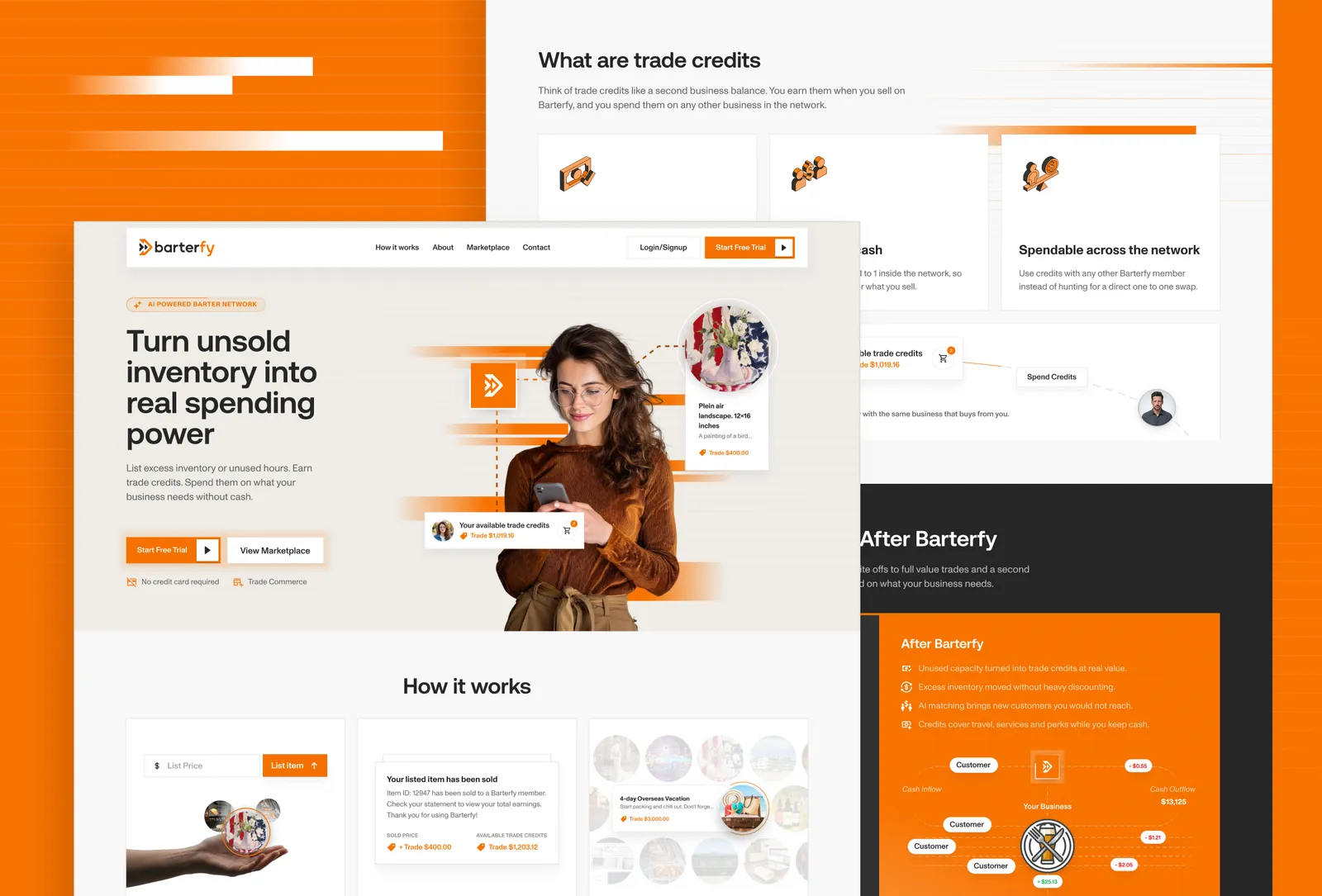
Barterfy
A marketing site for a B2B trade credit network.
-
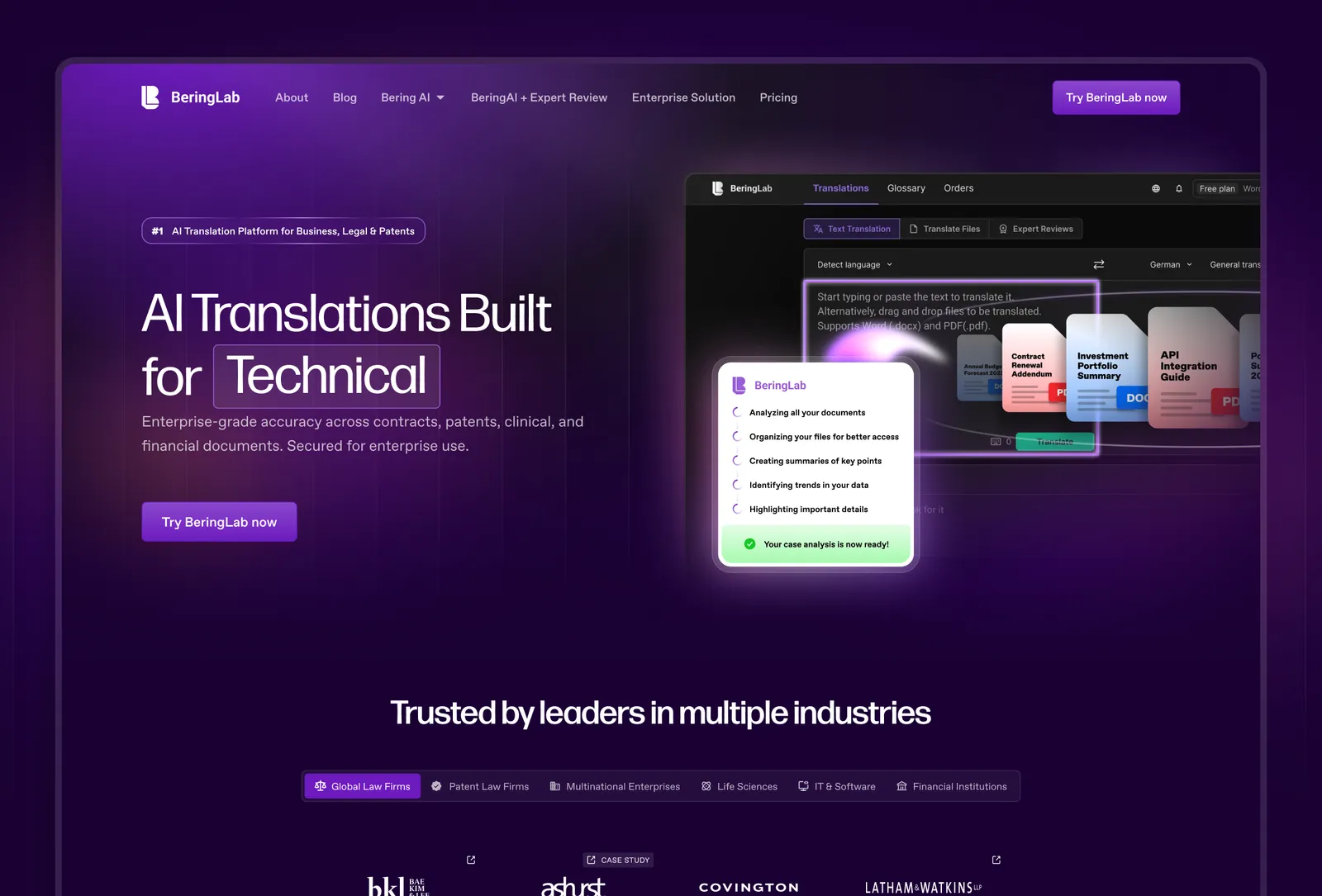
BeringLab
AI translation for legal, patent and technical teams.

“Blown away by Siguro's quick turnaround, turning around our landing pages at lightning speed.”
 Troy MunsonCEO, Dimmo
Not sure yet? Questions about B2B website development
What do you build B2B websites on?
Astro, with our own CMS on top. Pages build to plain HTML files, the code lives in your git repo, and your team edits content without touching code.
Can you move us off WordPress or Webflow?
Yes. We've moved sites off WordPress, Wix and hardcoded builds. We rebuild the pages as reusable sections and set up redirects so nothing that ranks gets lost.
Where will the site be hosted?
Wherever you want. Because the site builds to static files, it runs on Netlify, a VPS or your own servers with the same setup.
Can our marketing team really edit it without a developer?
Yes. They open the page, click a section, edit it, check a preview link and publish. Every change is saved as a git commit, so nothing is ever lost.
Will the new site be faster?
It should be a lot faster. Astro sends no JavaScript unless a section needs it, and we convert images, delay third-party scripts and keep fonts from blocking the page on every build.
How does pricing work?
Three options. A monthly plan from £499, pay as you go at £50 an hour, or a fixed quote for a defined project. Most teams pick a plan, so you can keep shipping after launch. Our pricing page has the details, or start a free trial with 6 hours of work, no card.

Jamie McArdle
Founder, Siguro
If you want to start a project, try us on a real task, or just talk things through, this is the easiest place to begin.
Book an intro call jamie@siguro.co
Based in Belfast, Northern Ireland.
Working worldwide.
Tell us what's slowing your website down.
Book a 30 minute call and we'll look at your current setup and tell you what we'd change first.